No products in the cart.

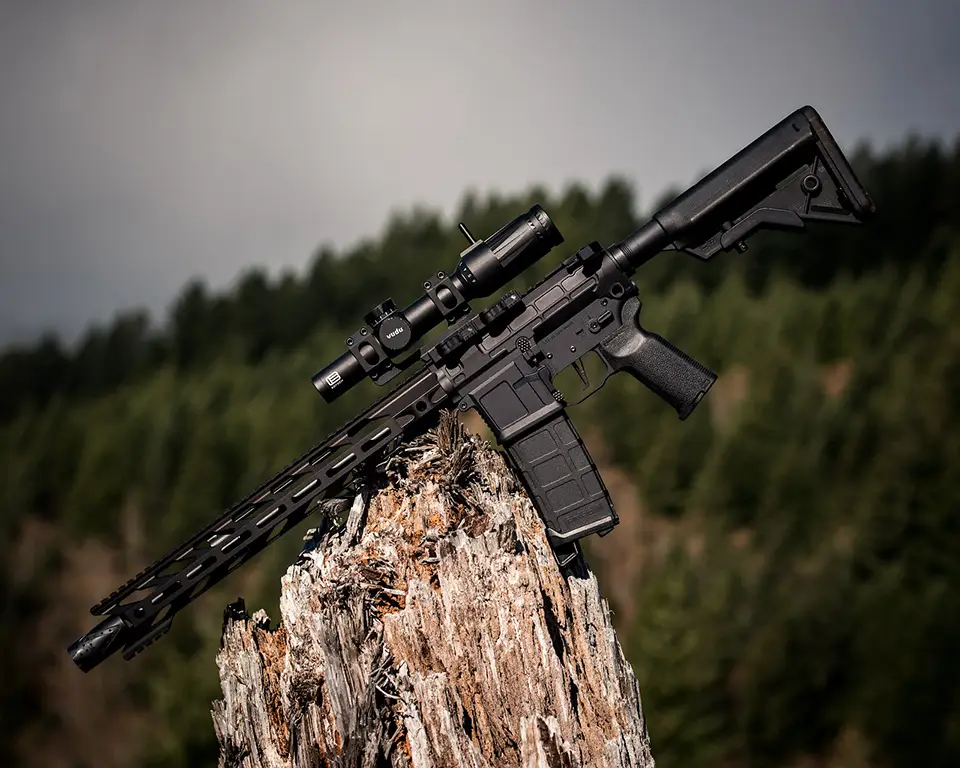
No matter what you hunt, success in the field comes down to skill, patience, and equipment that’s set up for the way you actually hunt. While you can absolutely buy a complete hunting rifle off the rack, more hunters are turning to custom AR-style rifles when they want a setup tuned for their game, terrain, and shooting style.
Modern AR-10 and AR-15 platforms are accurate, versatile, and highly customizable, which makes them a strong option for everything from varmints to hogs and deer, where they’re legal and appropriate to use.
If you’re thinking about building or configuring an AR-pattern rifle for hunting, here are some key areas to consider.
The biggest advantage of using an AR-style rifle for hunting is how modular the platform is. Instead of working around whatever a factory gun came with, you can choose upper and lower components, barrels, handguards, stocks, and optics that fit the exact role you have in mind.
For example, if you’re building an AR-10 for deer or elk, you can:
If your focus is smaller game or varmints, an AR-15 in an appropriate caliber can give you a lighter, quicker-handling rifle using the same basic layout. Swapping uppers lets you change from a general-purpose setup to a big-bore hog configuration with the same familiar controls.
The end result is a hunting rifle that’s built around how you actually use it, not a generic “one-size-fits-all” configuration.
Your trigger isn’t the only thing that matters, but it has a big impact on how confidently you break shots when the moment of truth arrives.
For most hunting applications, a good trigger for an AR-style rifle will:
Many hunters like a crisp trigger in the roughly 2–3.5 pound range, though exactly where you land depends on your comfort, training, and local regulations. Upgrading to a quality aftermarket trigger designed for the AR platform can help you make cleaner shots and focus on the target, not the gritty feel of a stock unit.
Whatever you choose, make sure you install it correctly, function check it thoroughly, and test it on the range before relying on it in the field.
If you’ve ever tried to shoot from an awkward position with a stock that doesn’t fit, you know how important length of pull and cheek weld are.
Fixed stocks offer a solid, consistent feel and can be great when the rifle is set up for one shooter in fairly predictable conditions. Adjustable stocks, on the other hand, give you the flexibility to:
The right stock helps you get a repeatable, comfortable cheek weld and should balance the rifle well when combined with your barrel, handguard, and optic choices.
Optics are one of the biggest levers you can pull when building a hunting-focused AR. The “right” choice depends on what, where, and how you hunt.
A few things to think about:
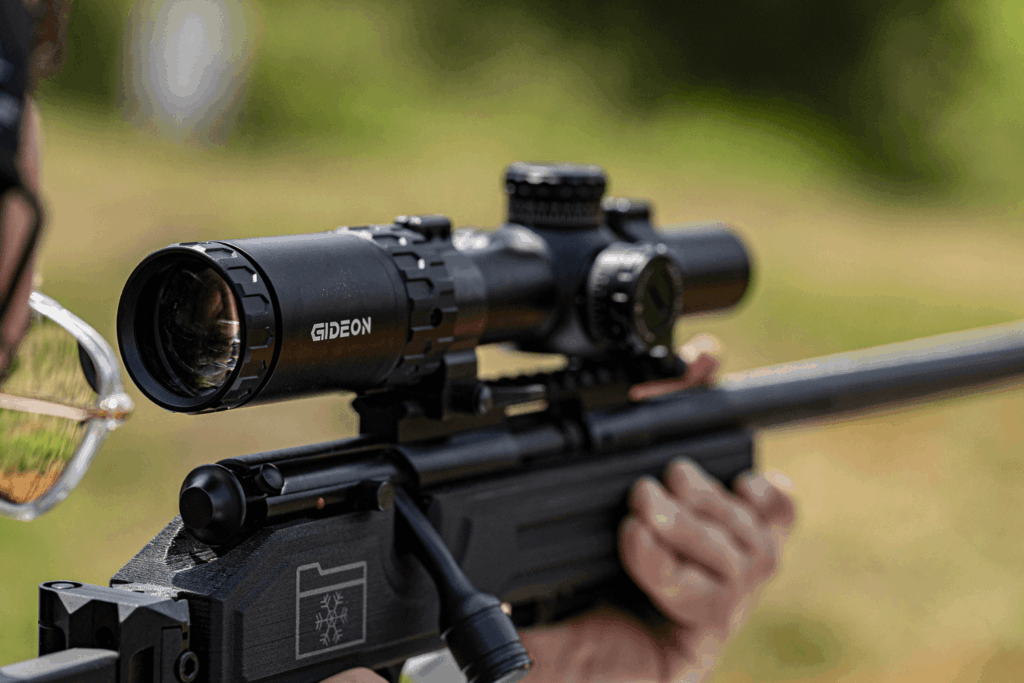
Traditional variable scopes with sensible magnification ranges are still hard to beat for many hunters. Reticles with holdover or windage references can help at distance, and good glass makes low-light shooting more manageable.
Low-power variable optics (like 1–6x or 1–8x) and fixed-power prisms can work very well on AR platforms, giving you both close-range speed and enough magnification for typical hunting distances.
Red dots are excellent for fast, close-range shots, but they’re not ideal for longer distances by themselves. If you plan to hunt at night where legal, dedicated night optics or thermals may be needed; always check your state’s regulations before using any electronic optic for hunting.
Using the right mount or riser to get the optic up to your natural eye position can make a big difference in comfort and speed on target. A good cheek weld and eye alignment are just as important as the glass itself.
If you’re hunting in cold climates, it’s worth thinking about how your sights and electronics behave when temperatures drop.
Glass-lens optics can fog if you’re moving from warm to cold environments or breathing heavily around your cheek weld. Battery-powered sights and accessories may see reduced runtime in very low temperatures. If your state allows electronic optics for hunting, carrying fresh batteries and having a backup plan, like usable irons or a simple, rugged optic, is smart.
Also keep in mind that some states restrict or prohibit certain electronic optics or illuminated sights for hunting, so it’s important to know the rules for your area before you head out.
A well-set-up rifle can still be miserable to carry if you don’t think about how it rides on your body. A good front-carry or two-point sling lets you:
This becomes even more important as rifle weight creeps up with longer barrels, heavier optics, or larger-capacity magazines. A thoughtful sling setup can make the difference between a rifle you’re happy to carry all day and one that feels like an anchor by mile ten.
Caliber choice is a whole topic of its own, but at a high level, your hunting AR should be chambered in something appropriate and legal for the game you’re pursuing.
On AR-10 platforms, popular hunting calibers like .308 Winchester or .338 Federal are common choices for deer and similar-sized game. On AR-15 platforms, smaller calibers can work well for varmints and predators, while certain big-bore options are used for hogs where legal and appropriate.
Once you’ve chosen a chambering, you can fine-tune your ammunition choice for:
Whatever you choose, test that ammunition thoroughly in your rifle before taking it into the field.
One reason some hunters like AR-style rifles is the semi-automatic operation and detachable magazine.
Being able to make a quick follow-up shot can be the difference between a clean second chance and a missed opportunity, particularly if you misjudge elevation or wind on the first shot. For predator or hog hunting, where multiple animals may appear at once, having fast, repeatable shots and easy reloads can be a real advantage.
As always, speed should never trump good shot discipline and awareness of what’s beyond your target, but when used responsibly, the ergonomics and operation of an AR can be very hunt-friendly.
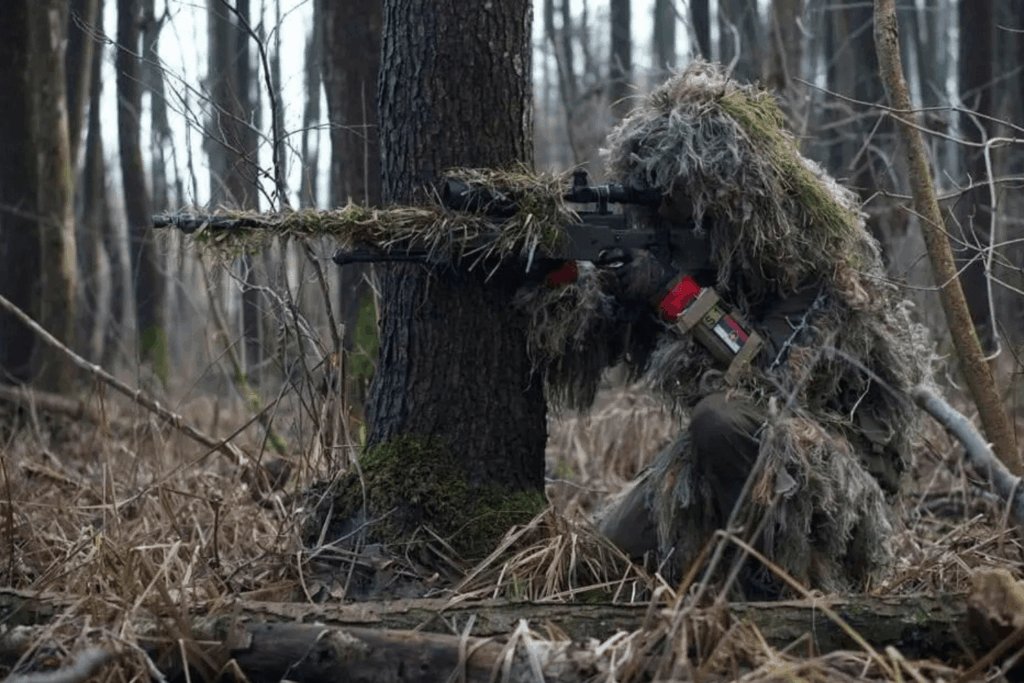
The look of your rifle isn’t just about style when you’re hunting; it’s about blending into the environment.
Depending on where you hunt, a camouflage finish that matches your terrain can help keep your rifle from standing out. Forests, plains, and brush all have very different color palettes, and a good pattern can help your gear stay in the background rather than catching an animal’s eye.
From traditional painted patterns to modern coatings and wraps, there are plenty of ways to reduce glare and break up the outline of your rifle so it doesn’t draw attention at the worst possible moment.
Finally, weight matters more than most people think, especially once you’ve hiked a few miles in rough terrain.
You can manage overall rifle weight by:
Balance is just as important as total weight. A rifle that’s extremely nose-heavy may recoil less but can be harder to steady offhand. A rifle that’s too light or butt-heavy may be easy to aim initially but wander during longer holds. Many hunters prefer a rifle that balances somewhere around the magwell, giving a stable, neutral feel.
Building or configuring a custom AR-style hunting rifle is about more than just bolt-on parts. It’s about understanding your game, your terrain, and your own shooting style, then choosing components that support all three.
When you:
…you end up with a rifle that feels like an extension of you in the field.
JSD Supply offers components for AR-pattern rifles and other popular platforms so you can build a hunting setup that fits your needs instead of settling for a one-size-fits-all rifle. If you’re ready to start planning your next hunting build, explore our parts selection and see what’s possible.