No products in the cart.
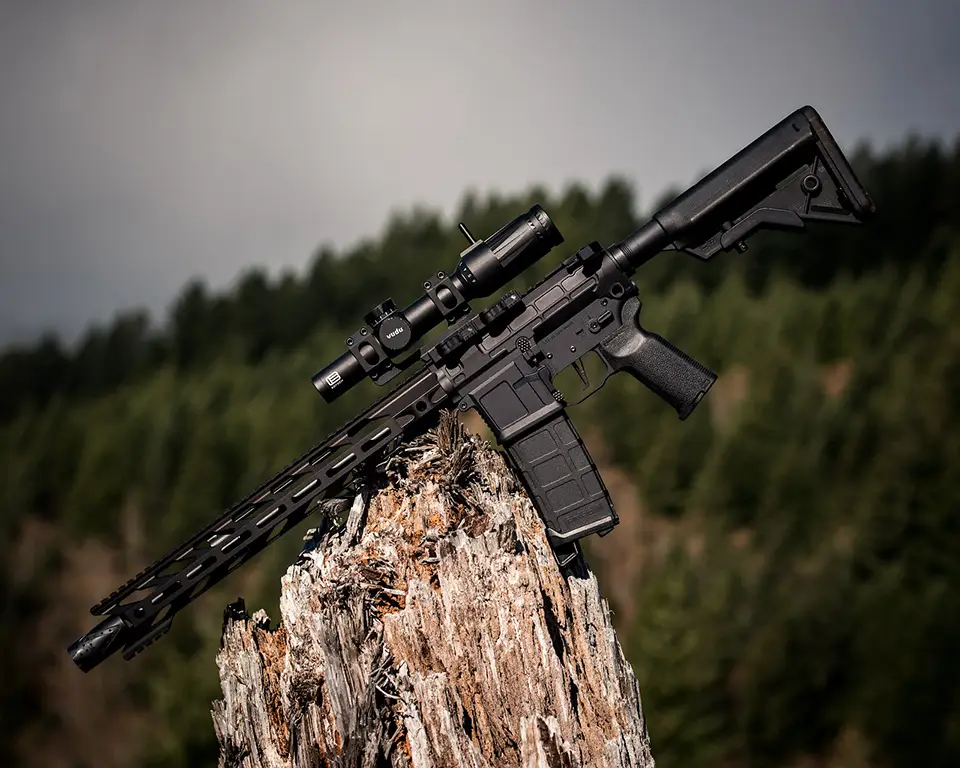
Do-it-yourself gun culture has grown a lot in the last decade. More gun owners are interested in understanding how their firearms work, swapping parts, and even assembling builds from quality components. Along the way, a lot of myths and half-truths about “DIY guns” have spread, both inside and outside the gun community.
Some of those myths paint any kind of home build as shady or unsafe. Others assume that building a firearm means you can ignore the law or basic safety rules. Neither is true.
If you’re interested in building or customizing your own firearms, it helps to separate fact from fiction. Here are some of the most common misconceptions, and what’s actually going on behind them.
Reality: In many places in the United States, it has been legal for a person who can otherwise lawfully possess a firearm to build one for their own use, within the boundaries of federal, state, and local law.
Where things get confusing is that:
If you’re considering any kind of DIY build, it’s essential to:
DIY ownership isn’t a loophole; it still lives inside the same legal framework as the rest of the gun world.
Reality: The vast majority of people interested in building or customizing firearms are law-abiding gun owners who enjoy learning, tinkering, and having gear set up exactly how they like it.
For many, a “DIY gun” simply means:
It’s about:
Just like working on your own car doesn’t make you a getaway driver, working on your own firearms doesn’t make you a criminal. What matters is that you follow the law and practice safe, responsible ownership.
Reality: This one never seems to go away.
“AR” in AR-15 and AR-10 does not stand for “assault rifle,” “automatic rifle,” or anything similar. It stands for ArmaLite Rifle, named after the company that originally developed the platform.
A few key points:
DIY builders and parts buyers use “AR-15” and “AR-10” to refer to the general pattern and compatibility of parts; uppers, lowers, barrels, handguards, and so on, not to claim they’re building military-issue weapons.
Reality: Open carry and concealed carry are two very different legal concepts, and the exact rules around each vary significantly by state.
In broad strokes:
Open carry means the firearm is carried in a way that’s visible. Some states allow it broadly, some restrict it heavily, and some prohibit it.
Concealed carry means the firearm is carried in a way that’s not visible. Most states have specific licensing, training, and location-based rules around it.
Where DIY builds come in is simple: if you intend to carry a firearm you’ve configured or built yourself, whether openly or concealed, you’re still responsible for:
The safest approach is to treat the legal side with the same respect you give to the mechanical side: do your homework, stay current, and err on the side of caution.
Reality: A firearm’s safety is driven by design, quality of parts, assembly, and user behavior, not simply by whether it came from a factory as a complete unit.
What is true:
Regardless of how the firearm was assembled, safe operation still comes down to:
In other words, a DIY build done right is not inherently more dangerous than a factory gun, and either one can be unsafe if handled irresponsibly.
Reality: Knowing how to put parts together is not the same as knowing how to run the gun safely and effectively.
A strong DIY culture can sometimes make it easy to focus on:
…but hardware only gets you so far.
For any firearm you intend to use for defense, hunting, or serious training, you should:
A well-built firearm is a tool. Your training, mindset, and judgment determine how effective that tool really is.
DIY firearms and custom builds can be rewarding, educational, and practical. They give you the chance to:
But they don’t exempt you from:
JSD Supply has supported DIY-minded gun owners since 2013 with quality parts, components, and kits designed for popular platforms. If you’re interested in building or upgrading your firearms, start with solid information, stay within the law, and use proven parts you can trust.
The more informed we all are, the better the conversations around firearms and the stronger the community becomes.