No products in the cart.
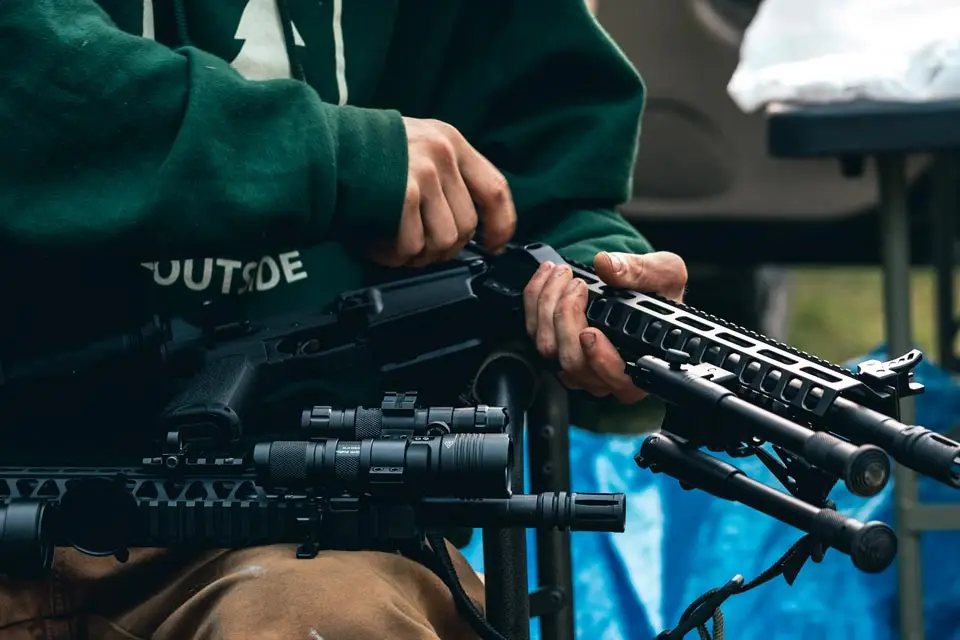
Doing your own basic gun work can be really satisfying. A good gunsmith tool kit lets you handle routine maintenance, swap simple parts, and keep your firearms running smoothly without having to visit a shop for every little thing. But not all kits are created equal, and not every kit is right for every shooter.
Before you hit “purchase”, it’s worth taking a moment to think about what you actually need from a gunsmith tool kit and how you’re going to use it.
Any time you’re working with firearms or making changes to them, the first step is understanding the laws that apply where you live. Regulations can influence which guns and parts you can own, what kind of modifications are allowed, and how certain components are handled in your state or locality.
Take a little time to get familiar with the current federal, state, and local rules that apply to you. If you’re considering certain kinds of upgrades or projects, make sure there aren’t any extra requirements or restrictions you need to be aware of. It’s always better to solve those questions up front than to realize after the fact that a project wasn’t as straightforward as you thought.
“Gunsmith tool kit” can mean very different things depending on who you’re talking to. For one person, it’s a compact set of tools for basic cleaning and occasional parts replacement. For another, it’s a bench full of specialized gear for detailed disassembly and serious tinkering.
Think about what you actually want to handle at home. If your focus is basic maintenance: field-stripping, cleaning, replacing a worn spring or two, you don’t need a massive professional kit. A smaller, well-thought-out set will serve you better and be easier to reach for when you need it.
If you know you’ll be doing more than that: installing new sights, swapping slides or barrels, working with parts kits, then it may be worth investing in a more complete setup. The key is matching the level of kit to the level of work you’re realistically going to do, not the “someday, maybe” list.
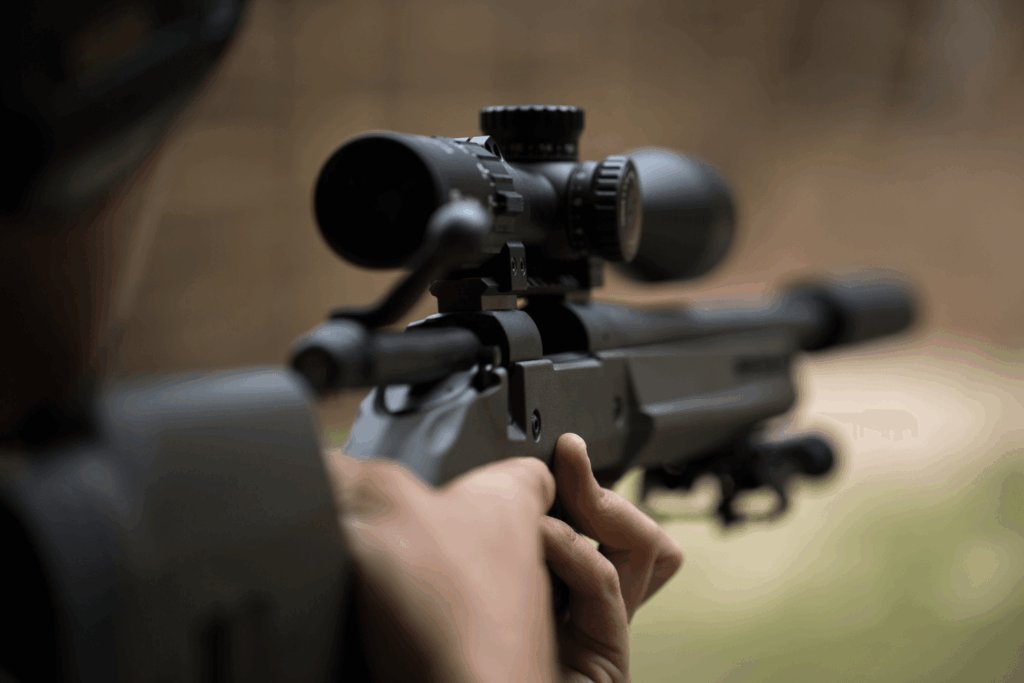
Not every kit is ideal for every type of gun. A shotgun-focused kit isn’t going to be much help if all you own are Glock-pattern pistols and AR-15s, and vice versa.
Start by looking at what’s actually in your safe. If you primarily shoot handguns, especially Glock-compatible pistols or other common striker-fired designs, tools sized for those frames and pins will be more valuable than a dozen shotgun-specific items you’ll never touch. If you run AR-15s, you’ll get more mileage out of an armorer’s wrench, proper punches, and blocks or vise tools designed around that platform.
In short, it’s better to have a kit that’s “boring but perfect” for your guns than something huge and generic where half the tools don’t apply to anything you own.
With gunsmithing tools, quality isn’t a luxury. Poorly made punches, bits, and drivers can slip, deform, or strip hardware, and once that happens, you’ve turned a simple job into a headache.
When you evaluate a kit, pay attention to the details. Punches and driver bits should be made from decent steel and shaped cleanly so they fit pins and screws properly. Handles should be comfortable enough that you’re not fighting the tool as much as the part. A good bench block or non-marring support is worth its weight in gold when you’re driving pins out of a frame or slide and don’t want to scar the finish.
Organization matters too. A case or tray that keeps the tools where they belong saves time and frustration. If every session starts with hunting for that one elusive punch, the kit isn’t doing you any favors.
Before you commit to a kit, take a minute to scan what’s actually included.
Ask yourself a few simple questions:
Sometimes the smartest move is buying a solid, general-purpose kit for everyday tasks and then adding one or two specialized tools separately. For example, you might pick up a quality universal kit and then add a Glock sight pusher, an AR-15 armorer’s wrench, or optics mounting tools as needed. That way, you’re not paying for a “do everything” bundle that doesn’t actually line up with your projects.
Even if your immediate focus is simple cleaning and maintenance, it’s worth thinking a step or two ahead. Are you planning to add red dots to your pistols, upgrade slides and barrels, or build out an AR-15 over the next year or two? If so, choosing a kit that gives you a little room to grow can save you from having to start all over again later.
You don’t have to buy every possible tool right now, but it’s smart to pick something that won’t box you in after your skills and interests develop.
The right gunsmith tool kit is only half the equation. The parts you’re installing matter just as much. JSD Supply focuses on quality components for popular platforms: Glock-compatible pistols, AR-pattern rifles, and more, so when you sit down at the bench, you’re working with gear that’s designed to fit and function the way it should.
Whether you’re just getting started with basic maintenance or you’re ready to tackle more involved upgrade projects, the goal is the same: safer, smoother, more confident time on the range. A good kit, paired with the right parts, makes that a lot easier.
If you’re ready to equip your bench, take a look at our selection of parts and start planning your next project.