No products in the cart.
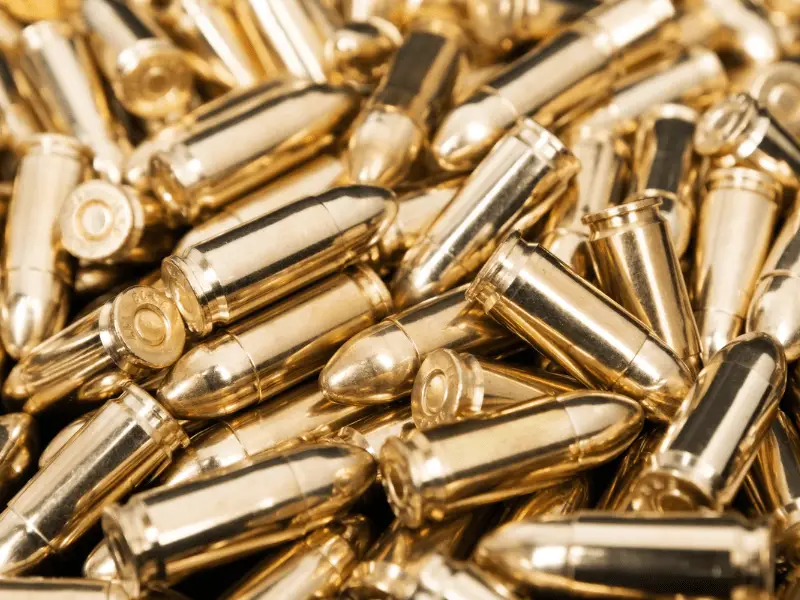
If you’ve been buying ammo for any length of time, you already know one thing: prices rarely stay still for long.
Some years, common calibers feel easy to find and relatively affordable. Other times, shelves get thin, popular loads disappear, and prices start climbing fast. For gun owners who like to train regularly, keep home-defense ammo on hand, or stock up before hunting season, those swings can get expensive in a hurry.
The good news is that ammo pricing usually isn’t random. In most cases, there are a handful of predictable factors behind rising costs and lower availability. Understanding those factors can help you make better decisions about when to buy, how much to buy, and what to prioritize.
Ammo prices tend to move based on the same basic forces that affect most markets: supply, demand, raw materials, transportation, and consumer behavior. What makes ammunition different is how quickly those forces can stack on top of each other.
A simple increase in demand might already put pressure on retailers. Add in rising material costs, shipping delays, and a sudden wave of panic buying, and the result can be a market that feels unpredictable even when the reasons behind it are fairly straightforward.
One of the biggest drivers of ammo price increases is demand. When more people are buying guns, more people are also buying ammunition to feed them.
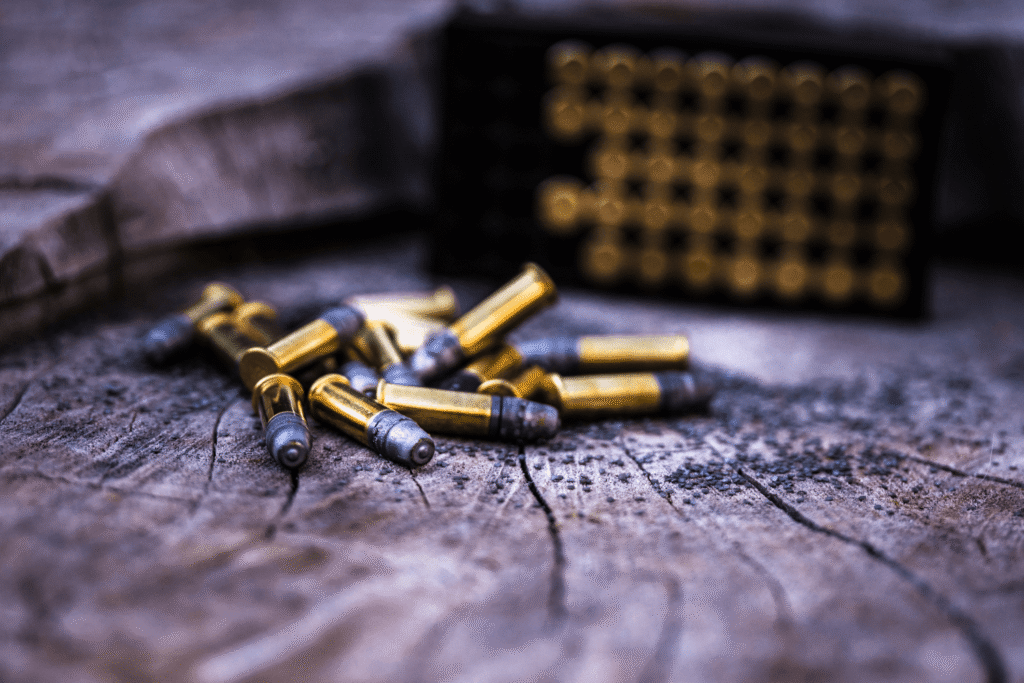
When millions of shooters all start buying the same calibers at once, even large manufacturers can struggle to keep up. The most popular calibers usually feel it first.
Ammunition production depends on a huge chain of inputs, including:
When the price of those materials goes up, ammo prices usually follow. The same thing happens when labor costs rise or when manufacturers face delays getting the components they need.
Even if the demand side stays relatively stable, rising production costs can still push prices higher at retail.
Ammo doesn’t just appear on store shelves. It has to be manufactured, packaged, transported, warehoused, and distributed. Delays at any point in that chain can affect availability and pricing.
If transportation costs increase, retailers feel that. If distributors can’t get enough inventory from manufacturers, retailers feel that too. And when stores know certain calibers are moving fast, they may be more cautious about discounting them.
That’s one reason why ammo can feel “expensive everywhere” at the same time, even when the issue didn’t start at the local shop level.
When shooters expect prices to rise, many start buying more than usual. That’s understandable, but it can also accelerate the problem.
That kind of behavior doesn’t just reflect shortages, it can actively deepen them. A market that might have stayed merely tight can quickly turn into a full-blown scramble.
If you’ve ever walked into a store during a high-demand period, you’ve probably noticed the same pattern: common calibers disappear first.
That’s because high-volume calibers like 9mm, 5.56/.223, .45 ACP, and .308 are the ones most shooters are buying most often. They’re popular for training, home defense, competition, and general range use, so they feel pressure first when demand spikes.
Meanwhile, less common or more niche calibers sometimes linger on shelves longer; not because they’re cheap or ideal, but because fewer people are buying them.
Availability doesn’t always mean value. Sometimes the ammo still sitting in stock is sitting there for a reason.
Compared to the worst of the major shortage years, the market has improved. In many cases, common calibers are easier to find than they were during the heaviest panic-buying periods.
That said, “better” doesn’t always mean “cheap.”
Prices may not be rising in the same dramatic way they did during the shortage era, but they’re still influenced by the same forces, and they can change quickly when demand surges again.
You can’t control the market, but you can make smarter decisions inside it. A little planning goes a long way.
It helps to separate your ammo into categories:
Once you know what role each caliber plays, it becomes easier to buy with purpose instead of reacting to every market bump.
If you only shoot one box of a certain caliber every few months, you probably don’t need to buy it the same way you’d buy 9mm or 5.56 for regular training.
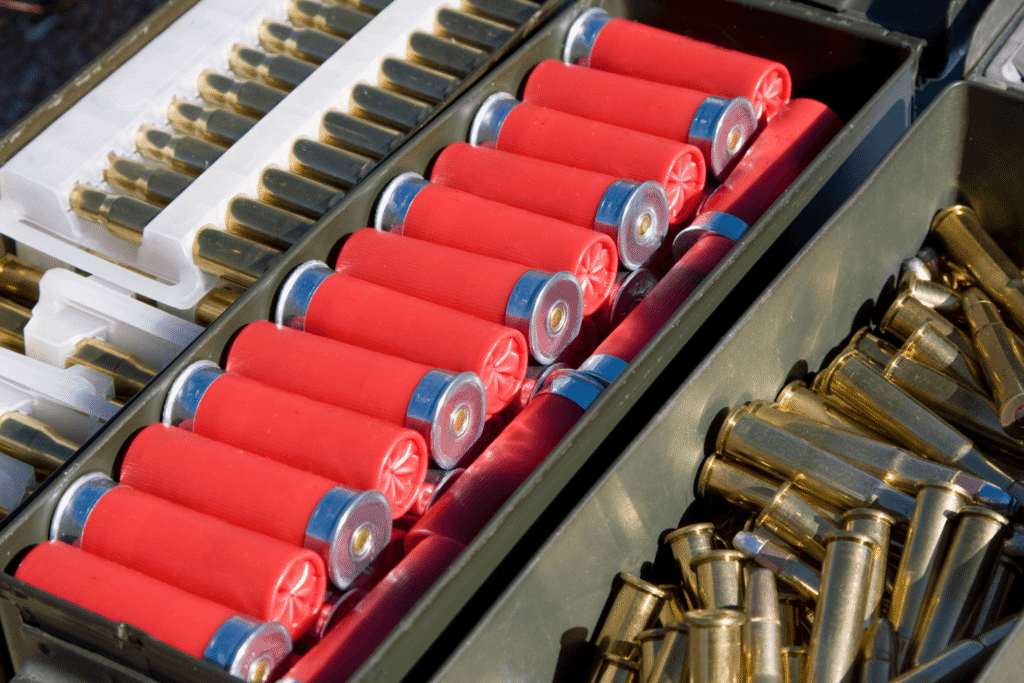
A lot of overbuying happens because people don’t really know what’s on their shelf.
Take inventory once in a while. Know:
When you know your own usage, you’re less likely to overpay out of uncertainty.
Panic buying almost never feels smart in hindsight.
If you see ammo availability tightening, it makes sense to pick up what you genuinely need. But there’s a difference between staying prepared and buying purely because other people are doing it.
Buying steadily over time is usually a better approach than trying to build your entire reserve during a shortage.
When retail shelves get thin, the resale market often gets loud. That doesn’t mean it’s a good value.
Buying from reputable sellers and established retailers is usually the safest move. It helps you avoid inflated pricing, questionable storage conditions, and unnecessary markups from opportunistic resellers.
Not every box on the shelf needs to be premium ammunition.
For most shooters, the smart approach is:
That kind of separation helps you train consistently without burning through your most expensive ammunition.
Ammo prices change because markets change. Demand rises, materials get more expensive, supply chains tighten, and consumer behavior adds pressure on top of everything else.
That doesn’t mean shooters are powerless. The more intentional you are about what you buy, when you buy, and how you use it, the easier it becomes to stay supplied without overreacting every time the market shifts.
A smart ammo strategy is a lot like a smart firearm setup: it should be built around your real needs, not panic or guesswork.
At JSD Supply, we know shooters are always balancing performance, preparedness, and budget. Whether you’re building out a new rifle, upgrading a pistol, or getting your gear ready for the range or hunting season, thoughtful planning always beats scrambling at the last minute.